
- What is Healthcare Website Development?
- What are the Essential Features of a Healthcare Website?
- How to Build a Healthcare Website: A Step-by-Step Process
- What are the Healthcare Website Compliance Requirements in Canada?
- What are the Most Important Healthcare System Integrations?
- What is the Cost of Healthcare Website Development?
- What are the Challenges in Healthcare Website Development (And How to Overcome Them)?
- Launch Your Healthcare Platform with Space-O Technologies Expertise
- Frequently Asked Questions About Healthcare Website Development
Healthcare Website Development: Features, Process, Compliance, and Costs Explained

 Last Updated: April, 6 2026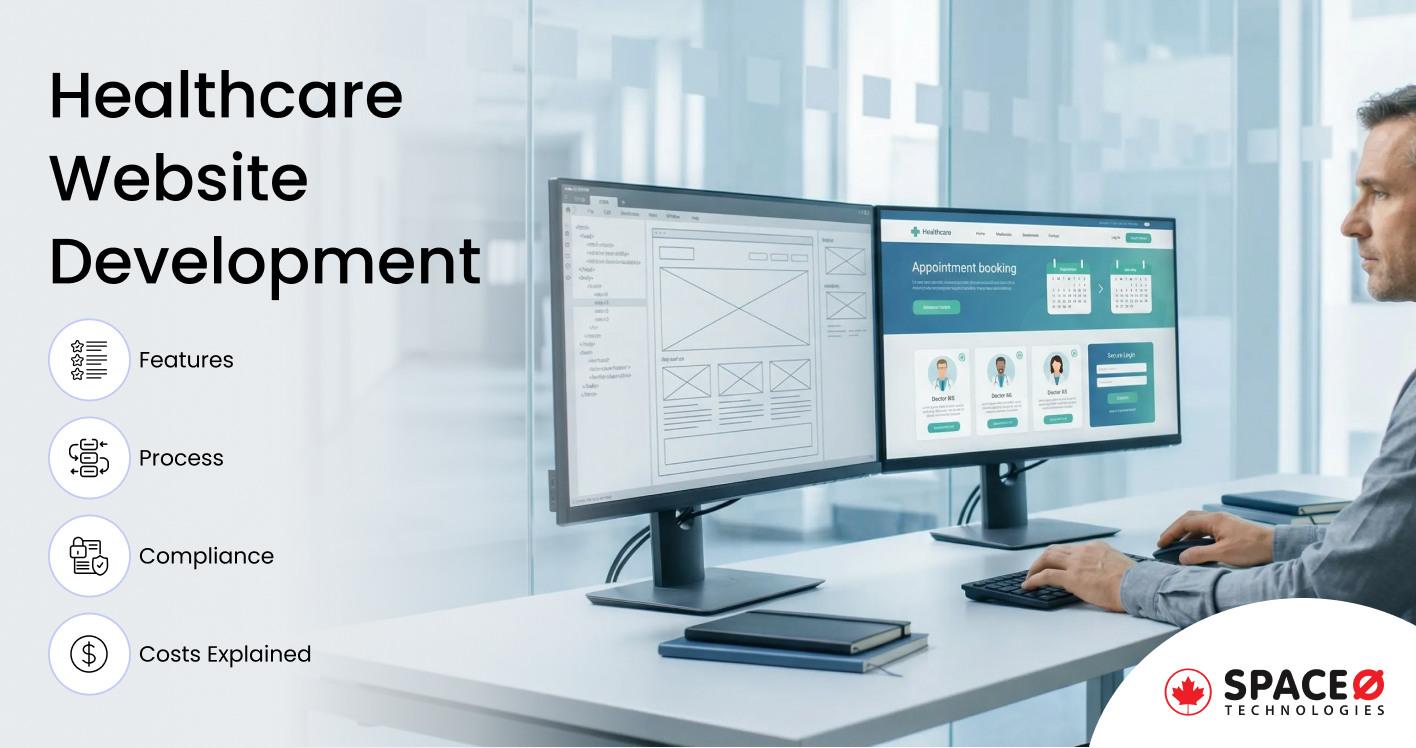
Is your healthcare organization still relying on an outdated website that frustrates patients and staff alike? You’re not alone. Many clinics, hospitals, and healthcare providers across Canada struggle with websites that lack online appointment booking, patient portals, and the compliance features patients now expect as standard.
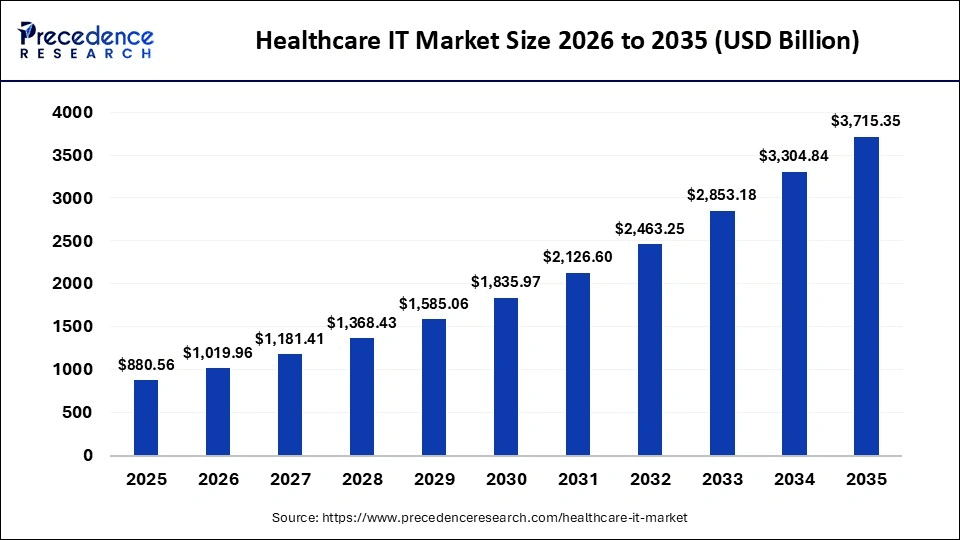
According to Precedence Research, the global healthcare IT market is projected to grow from USD 880.12 billion in 2025 to USD 3,257.26 billion by 2034—a clear indicator that digital transformation in healthcare is accelerating rapidly.
Patients today expect the same seamless digital experience from their healthcare providers that they receive from banks, retailers, and other service industries. A well-designed healthcare website is no longer optional—it’s essential for patient acquisition, retention, and operational efficiency.
Partnering with an experienced team that specializes in professional website development services ensures your healthcare platform meets modern usability standards, integrates securely with clinical systems, and aligns with Canadian regulatory requirements.
This comprehensive guide is built for healthcare administrators, clinic owners, hospital IT teams, and telehealth providers across Canada who need to build or modernize their digital platforms. It breaks down everything you need to know about healthcare website development.
You’ll learn what features are essential, how the development process works, Canadian compliance requirements you must meet, integration options, realistic costs, and common challenges to avoid.
What is Healthcare Website Development?
Healthcare website development is the process of designing, building, and deploying PIPEDA-compliant websites for healthcare organizations — including hospitals, clinics, and telehealth providers — that integrate with clinical systems like EHR/EMR, offer patient portals, appointment scheduling, and telemedicine features while protecting sensitive patient data at every level.
Unlike standard business websites, healthcare websites must meet strict regulatory requirements, integrate with clinical systems, and prioritize patient data security at every level.
Healthcare website development differs significantly from general web development. While a typical business website focuses on marketing and lead generation, a healthcare website must also serve as a secure platform for patient interactions, appointment scheduling, medical record access, and telemedicine services. This requires specialized expertise in healthcare compliance, EHR/EMR integrations, and security protocols that protect sensitive patient information.
Organizations investing in healthcare web development must prioritize compliance from day one. Retrofitting PIPEDA or PHIPA compliance into an existing website is significantly more complex and costly than building it into the foundation. Space-O Technologies recommends treating compliance as a core requirement rather than an afterthought.
Pro Tip: When evaluating healthcare website development partners, ensure they have specific experience with Canadian healthcare regulations—not just general web development expertise. PIPEDA and PHIPA compliance requires specialized knowledge that general developers may lack.
Understanding what healthcare website development entails reveals the critical features that make these platforms effective—let’s explore the must-have elements for a successful healthcare website.
What are the Essential Features of a Healthcare Website?
A successful healthcare website balances patient convenience with administrative efficiency while maintaining strict security standards. The features you implement directly impact patient satisfaction, staff productivity, and regulatory compliance. Here’s a comprehensive breakdown of must-have features for modern healthcare websites.
1. Patient-facing features
Patient-facing features determine how effectively your website serves those seeking care. These elements should prioritize accessibility, convenience, and clear communication.
Online appointment scheduling
Patients expect to book appointments at their convenience—not just during office hours. A robust scheduling system should display real-time availability, allow patients to select preferred providers, send automated confirmations and reminders, and integrate with your practice management system.
Patient portal access
A secure patient portal serves as the digital hub for patient engagement. Essential portal features include viewing medical records and test results, requesting prescription refills, accessing visit summaries and care instructions, managing family member accounts, and updating personal and insurance information. Space-O Technologies builds patient portals that integrate seamlessly with major EHR systems while maintaining PIPEDA and PHIPA compliance.
Secure messaging
Patients need a safe channel to communicate with their care team. Secure messaging should support file attachments for sharing documents or images, message threading for ongoing conversations, and automatic routing to appropriate staff members.
2. Administrative features
Behind every patient-facing feature, administrative tools ensure smooth operations and data management.
Provider directory management
Administrators need easy tools to update provider information, add new staff, manage credentials, and control which providers appear in public searches.
Content management system (CMS)
A healthcare-optimized CMS allows non-technical staff to update content, publish news and announcements, manage blog posts, and maintain location information. Space-O Technologies recommends enterprise-grade CMS platforms like Drupal for healthcare organizations requiring advanced security and scalability.
When comparing CMS implementation, reviewing how established website development companies structure scalable pla
tforms helps decision-makers evaluate the right partner.
Analytics and reporting
Understanding how patients interact with your website informs continuous improvement. Track appointment booking conversions, portal adoption rates, content engagement, and user journey patterns. Organizations looking to go beyond basic analytics can explore how predictive analytics in healthcare enables data-driven patient engagement and operational decisions.
3. Telemedicine integration
The demand for virtual care has transformed from nice-to-have to essential. With AI playing a growing role in healthcare delivery, understanding the cost of implementing AI in healthcare helps organizations plan for future-ready telemedicine capabilities.
Effective telemedicine app development integration includes video consultation capabilities with PHIPA-compliant platforms, virtual waiting rooms that notify providers when patients arrive, prescription and follow-up integration, screen sharing for reviewing test results, and session recording options for documentation.
4. Compliance and security features
Healthcare websites handle sensitive protected health information (PHI), requiring robust security measures.
PIPEDA/PHIPA compliance
Built-in consent management, privacy policy integration, data handling protocols, and breach notification procedures ensure regulatory compliance.
Multi-factor authentication (MFA)
Protect patient accounts with additional verification layers beyond passwords—including SMS codes, authenticator apps, or biometric options.
Encryption
All data should be encrypted both in transit (TLS 1.3) and at rest (AES-256 encryption) to protect against unauthorized access.
Create a Healthcare Website Designed for Patient Access and Usability
Develop a healthcare website optimized for mobile users, intuitive navigation, and clear patient journeys across services.
Now that you know what features your healthcare website needs, let’s walk through the step-by-step process of bringing it to life.
How to Build a Healthcare Website: A Step-by-Step Process
Building a healthcare website requires a structured approach that balances clinical requirements, patient needs, and technical capabilities.
Healthcare organizations benefit from following a defined website development process that aligns discovery, design, development, and launch phases.
Step 1: Discovery and requirements gathering
Every successful healthcare website project begins with comprehensive discovery. This phase establishes the foundation for all subsequent work.
Stakeholder Interviews: Engage administrators, clinicians, IT staff, and patient representatives to understand diverse perspectives. Each stakeholder group brings unique insights—clinicians understand workflow requirements, administrators focus on efficiency and compliance, while patients reveal usability priorities.
Patient Journey Mapping: Document how patients currently interact with your organization—from initial awareness through ongoing care. Identify pain points in the current experience and opportunities for digital improvement.
Compliance Requirements Assessment: Evaluate which regulations apply to your organization based on location, services offered, and patient populations served. Canadian healthcare organizations must address PIPEDA, provincial health acts like PHIPA, and accessibility legislation.
Integration Needs Analysis: Catalog existing systems that must connect with your new website—EHR/EMR platforms, practice management software, billing systems, and marketing automation tools. Understanding integration requirements early prevents costly surprises during development.
Competitive Analysis: Review what peer organizations offer online. Identify features that have become standard expectations and opportunities to differentiate your digital experience.
Independent clinics often start by researching how to build a website for small business before adapting those principles to healthcare-specific needs.
Step 2: Design and prototyping
With requirements documented, the design phase transforms concepts into visual prototypes.
UX Research and Wireframing: Create structural blueprints showing page layouts, navigation patterns, and user flows. Wireframes allow stakeholders to evaluate functionality before investing in visual design.
Accessibility-First Design: Healthcare websites must serve patients with diverse abilities. Design with WCAG 2.1 Level AA compliance in mind from the start—ensuring adequate color contrast, keyboard navigation support, screen reader compatibility, and adjustable text sizes.
Patient-Centric Interface Design: Every design decision should prioritize patient needs. Clear calls-to-action, intuitive navigation, and minimal steps to complete common tasks improve patient satisfaction and conversion rates. Working with a dedicated healthcare website design team ensures these UX principles are applied with clinical context in mind.
Mobile-Responsive Layouts: With over 60% of healthcare searches occurring on mobile devices, responsive design is non-negotiable. Ensure all features work seamlessly across smartphones, tablets, and desktop computers.
Stakeholder Review and Feedback: Present prototypes to key stakeholders for feedback. This iterative review process ensures the final design meets organizational needs before development begins.
Step 3: Development and integration
Development transforms approved designs into functional software.
Frontend and Backend Development: Build the user-facing interface and server-side infrastructure that powers your website. Space-O Technologies employs modern frameworks like React, Vue.js, and Laravel to create fast, secure, and maintainable healthcare websites.
EHR/EMR System Integration: Connect your website with clinical systems to enable appointment scheduling, patient portal functionality, and data synchronization. This requires expertise in healthcare data standards like HL7 FHIR.
Patient Portal Implementation: Develop secure login systems, role-based access controls, and the full range of portal features identified during requirements gathering.
Security Feature Implementation: Implement encryption, authentication, audit logging, and other security measures required for healthcare compliance.
API Development: Create interfaces that allow your website to communicate with third-party services—payment processors, telemedicine platforms, and marketing tools.
Step 4: Testing and compliance validation
Thorough testing ensures your website works correctly and meets all regulatory requirements.
Functionality and Usability Testing: Verify that all features work as intended and that users can complete common tasks without confusion. Include testing with actual patients when possible.
Security and Penetration Testing: Engage qualified security professionals to identify vulnerabilities before launch. Address all findings before going live with patient data.
PIPEDA/PHIPA Compliance Audit: Conduct a formal compliance review to verify that all privacy requirements are met. Document compliance measures for regulatory inquiries.
Accessibility Testing: Validate WCAG compliance using automated tools and manual testing with assistive technologies. Ensure all patients can access your services regardless of ability.
Performance Testing Under Load: Simulate peak traffic conditions to ensure your website remains responsive during high-demand periods.
Step 5: Deployment and training
Careful deployment minimizes disruption and ensures staff readiness.
Staged Deployment: Launch in phases—starting with internal testing, then limited patient access, before full public availability. This approach allows you to identify and resolve issues before they affect all users.
Staff Training: Prepare your team to use new administrative tools, respond to patient portal inquiries, and troubleshoot common issues. Well-trained staff deliver better patient experiences.
Documentation and User Guides: Create reference materials for both staff and patients. Clear documentation reduces support requests and improves adoption.
Go-Live Support: Maintain heightened support availability during initial launch. Rapid response to issues builds confidence in the new platform.
Step 6: Post-Launch Support and Optimization
Healthcare website development doesn’t end at launch. Ongoing optimization ensures continued success.
Performance Monitoring: Track page load times, error rates, and user experience metrics. Address performance issues before they impact patient satisfaction.
Security Patches and Updates: Maintain current software versions and security patches. Healthcare websites are high-value targets for cyberattacks—vigilant maintenance is essential.
User Feedback Collection: Gather patient and staff input through surveys, analytics, and support interactions. Use this feedback to prioritize enhancements.
Continuous Improvement: Plan regular updates to add features, improve usability, and address evolving compliance requirements.
Pro Tip: Starting with a phased approach—launching core features first and adding advanced functionality later—reduces risk and allows for patient feedback integration. Space-O Technologies recommends MVP launches that can evolve based on real user needs.
Throughout this development process, compliance remains a critical priority—let’s dive into the Canadian regulations your healthcare website must meet.
What are the Healthcare Website Compliance Requirements in Canada?
Canadian healthcare organizations face a complex regulatory landscape that differs significantly from other countries. Understanding and implementing proper compliance measures protects your patients, your organization, and your reputation. Here’s what you need to know about healthcare website compliance in Canada.
1. PIPEDA (Personal Information Protection and Electronic Documents Act)
PIPEDA is Canada’s federal privacy law governing how private-sector organizations collect, use, and disclose personal information in commercial activities. For healthcare websites, PIPEDA compliance means:
Consent Requirements: You must obtain meaningful consent before collecting personal health information. Your website must clearly explain what information you collect, why you collect it, and how it will be used. Consent forms should be easy to understand—avoiding legal jargon that confuses patients.
Privacy Policies and Transparency: Publish a comprehensive privacy policy that details your data practices. This policy should be easily accessible from every page of your website and written in plain language.
Individual Access Rights: Patients have the right to access their personal information and request corrections. Your website should provide clear processes for patients to exercise these rights.
Data Protection Safeguards: Implement appropriate security measures to protect personal information from unauthorized access, disclosure, or misuse. This includes encryption, access controls, and regular security assessments.
2. PHIPA (Personal Health Information Protection Act – Ontario)
Ontario’s PHIPA provides additional protections specifically for personal health information. Similar provincial legislation exists in other provinces—including Alberta’s HIA and British Columbia’s PIPA.
Personal Health Information Handling: PHIPA defines specific requirements for collecting, using, and disclosing health information. Healthcare websites must implement controls that limit access to health information based on role and necessity.
Breach Notification Requirements: If a privacy breach occurs, PHIPA requires notification to affected individuals and the Information and Privacy Commissioner of Ontario. Your website infrastructure must support breach detection and response procedures.
Retention and Disposal Policies: Health information must be retained for legally required periods and securely disposed of when no longer needed. Document retention schedules and implement secure deletion procedures.
3. Provincial healthcare regulations
Beyond privacy legislation, healthcare websites must comply with professional college requirements and telehealth regulations.
College Requirements: Provincial regulatory colleges (such as the College of Physicians and Surgeons of Ontario) establish standards for healthcare delivery—including telemedicine. Ensure your website features align with applicable college guidelines.
Telehealth Regulations: Virtual care delivery is governed by specific rules that vary by province. Address requirements for patient consent, documentation, prescribing, and cross-border care before implementing telemedicine features.
4. Accessibility standards
Healthcare services must be accessible to all patients, including those with disabilities.
WCAG 2.1 Level AA Compliance: The Web Content Accessibility Guidelines provide technical standards for accessible web design. Healthcare websites should meet Level AA requirements—including text alternatives for images, keyboard navigation, sufficient color contrast, and screen reader compatibility.
AODA (Accessibility for Ontarians with Disabilities Act): Ontario organizations must comply with AODA’s Integrated Accessibility Standards, which include specific requirements for websites and web content.
Does a healthcare website in Canada need to be HIPAA compliant?
HIPAA is a U.S. regulation and does not apply to Canadian healthcare organizations unless they handle American patient data. Canadian healthcare websites must comply with PIPEDA federally and provincial legislation like Ontario’s PHIPA. Organizations serving cross-border patients may need to meet both frameworks.
ACA (Accessible Canada Act): Federal accessibility legislation establishes additional requirements for organizations under federal jurisdiction.
Modernize Your Healthcare Website Without Disrupting Operations
Upgrade your healthcare website with improved UX, faster performance, and accessibility while maintaining operational continuity
Meeting these compliance standards is essential—but the real value of a healthcare website lies in seamlessly integrating with your existing clinical systems.
What are the Most Important Healthcare System Integrations?
A healthcare website’s value multiplies when it connects with your clinical and operational systems. Proper integrations eliminate duplicate data entry, reduce errors, and create seamless experiences for patients and staff. Here are the integration options you should consider for your healthcare website.
1. EHR/EMR integration
Electronic Health Record (EHR) and Electronic Medical Record (EMR) integration forms the backbone of healthcare website functionality. This connection enables real-time data exchange between your website and clinical systems.
Common EHR/EMR Systems: Space-O Technologies has experience integrating with major platforms used across Canada, including Epic, Cerner, Meditech, OSCAR (widely used in Canadian primary care), Accuro, Telus Health, and QHR Accuro.
HL7 FHIR Standards: Modern healthcare integrations use HL7 FHIR (Fast Healthcare Interoperability Resources) standards for data exchange. FHIR provides a standardized approach to sharing clinical data that improves interoperability while maintaining security.
Patient Data Synchronization: Integration ensures that patient demographics, appointment information, and clinical data remain consistent across systems. When a patient updates their address through your website, that change reflects in your EHR without manual intervention.
2. Telemedicine platform integration
Virtual care capabilities require integration with HIPAA/PHIPA-compliant video platforms.
Compliant Video Tools: Integrate with healthcare-specific video consultation platforms like Zoom Healthcare and Doxy.me, VSee, or custom-built telemedicine solutions. These platforms provide the encryption and audit capabilities required for healthcare use.
Virtual Waiting Rooms: Create digital waiting areas where patients check in for virtual appointments. Providers receive notifications when patients arrive and can admit them when ready.
Prescription and Follow-Up Integration: Connect telemedicine sessions with e-prescribing systems and follow-up scheduling to complete the virtual care workflow.
3. Payment and billing integration
Streamline financial transactions with integrated payment processing.
Canadian Payment Processors: Connect with processors like Moneris and Interac that Canadian patients trust. Support multiple payment methods including credit cards, debit cards, and electronic fund transfers.
Insurance Verification: Integrate with insurance eligibility verification services to confirm coverage before appointments. This reduces claim denials and patient billing surprises.
Patient Billing Portals: Allow patients to view statements, make payments, set up payment plans, and access receipts through your website. Self-service billing reduces administrative workload and improves collections.
4. CRM and marketing automation
Patient engagement extends beyond clinical care. Marketing integrations support growth and retention.
Patient Engagement Tools: Connect with platforms that support personalized communication, health campaigns, and satisfaction surveys.
Appointment Reminders: Integrate with systems that send automated reminders via email, SMS, or voice calls—reducing no-shows and improving schedule efficiency.
Follow-Up Communications: Automate post-visit surveys, care instructions, and recall reminders. Ensure all marketing communications comply with Canada’s Anti-Spam Legislation (CASL).
With features, process, compliance, and integrations covered, let’s address the question every healthcare organization asks—how much does this cost?
What is the Cost of Healthcare Website Development?
Healthcare website development costs range from $25,000–$60,000 CAD for basic informational sites with compliance features, $50,000–$120,000 for patient portal integration with EHR connectivity, and $100,000–$250,000+ for comprehensive platforms with telemedicine, multi-location support, and custom integrations. Ongoing maintenance adds $3,000–$8,500 per month.
Understanding healthcare website development costs helps you budget appropriately and evaluate proposals from development partners. Costs vary significantly based on complexity, features, integrations, and compliance requirements. Here’s a detailed breakdown to inform your planning.
1. Cost breakdown by complexity
Healthcare website costs correlate directly with project scope and technical requirements.
| Website Type | Cost Range (CAD) | Timeline | Description |
|---|---|---|---|
| Basic Healthcare Website | $25K–$60K | 10-14 weeks | Provider directory, appt forms, resources, mobile-responsive, basic compliance |
| Patient Portal Integration | $50K–$120K | 14-20 weeks | Secure login, EHR/scheduling/messaging/bill pay, full PIPEDA/PHIPA compliance |
| Comprehensive Platform | $100K–$250K+ | 20-30 weeks | Adv. portal, telemedicine, multi-location, analytics, custom integrations |
2. Key cost factors
Several elements significantly impact your total investment.
Compliance Implementation ($5,000 – $15,000): Building PIPEDA and PHIPA compliance into your website requires specialized expertise. This includes consent management systems, privacy policy implementation, data handling procedures, and audit logging capabilities.
EHR/EMR Integration ($20,000 – $60,000): Connecting with clinical systems like Epic, Cerner, or OSCAR requires custom development work. Costs vary based on system complexity and data exchange requirements. Organizations using multiple EHR systems face higher integration costs.
Telemedicine Features ($40,000 – $100,000): Video consultation capabilities, virtual waiting rooms, and related features require significant development effort. Costs depend on whether you integrate with existing platforms or build custom solutions.
Mobile App Development (Additional $60,000 – $150,000): While a responsive website works on mobile devices, dedicated iOS and Android apps provide superior patient experiences. Many organizations begin with responsive websites and add native apps as patient adoption grows.
Custom Design vs. Template-Based: Custom designs tailored to your brand command premium prices but differentiate your organization. Template-based approaches reduce costs but may limit uniqueness and functionality.
Content Creation: Professional medical content writing, photography, and video production add to project costs but significantly impact patient perception and SEO performance.
3. Ongoing costs
Healthcare websites require continuous investment beyond initial development.
PHIPA-Compliant Hosting: Secure hosting that meets healthcare compliance requirements costs $500 – $2,000 per month depending on traffic volume and redundancy requirements.
Maintenance and Security Updates: Regular software updates, security patches, and technical support run $2,000 – $5,000 per month. This investment protects your organization from security breaches and ensures continued compliance.
Compliance Monitoring: Ongoing compliance audits, policy updates, and regulatory monitoring cost $500 – $1,500 per month. Requirements evolve—continuous attention ensures you remain compliant.
Content Updates: Keeping provider information, service descriptions, and health resources current requires ongoing effort. Budget for regular content maintenance or assign internal staff to this responsibility.
Is it cheaper to build a healthcare website with templates or custom development? Template-based healthcare websites cost 40-60% less upfront but may lack the compliance features, EHR integrations, and security protocols required for Canadian healthcare. Custom development costs more initially but reduces long-term risk, supports scalable integrations, and ensures PIPEDA/PHIPA compliance from the foundation.
Before estimating healthcare-specific budgets, reviewing general website development cost factors helps understand pricing variables such as:
Pro Tip: Investing in compliance and security from the start is significantly more cost-effective than addressing violations later. Non-compliance penalties can reach $100,000 per violation under PIPEDA—far exceeding proper development investments. Space-O Technologies builds compliance into every healthcare website from the foundation up.
Understanding the investment helps you plan effectively—but being aware of common challenges ensures you avoid costly setbacks during development.
What are the Challenges in Healthcare Website Development (And How to Overcome Them)?
Healthcare website development presents unique challenges that can derail projects without proper planning. Understanding these obstacles in advance—and implementing proven solutions—protects your investment and ensures successful outcomes.
1. Data security and privacy risks
Healthcare websites are high-value targets for cyberattacks. Patient data commands premium prices on dark web markets, making healthcare organizations attractive targets.
The Challenge: Protecting sensitive patient information while maintaining accessibility for authorized users requires balancing security with usability.
The Solution: Implement defense-in-depth security strategies, including end-to-end encryption for all data transmission, role-based access controls limiting information exposure, regular security audits and penetration testing, intrusion detection and monitoring systems, and incident response procedures for potential breaches. Space-O Technologies incorporates security best practices at every development stage, ensuring your healthcare website resists evolving threats.
2. Legacy system integration
Many healthcare organizations operate systems that are decades old, lacking modern integration capabilities.
The Challenge: Connecting new websites with legacy EHR, billing, and practice management systems often requires custom development that vendors don’t natively support.
The Solution: Employ experienced integration specialists who understand both modern web technologies and legacy healthcare systems. Use API development and middleware solutions to bridge gaps between systems. Consider phased integration approaches that prioritize the highest-value connections first.
3. Regulatory compliance complexity
Canadian healthcare operates under overlapping federal and provincial regulations that continue evolving.
The Challenge: Keeping pace with PIPEDA, provincial health privacy acts, accessibility legislation, and professional college requirements demands ongoing attention.
The Solution: Partner with custom software development teams experienced in Canadian healthcare regulations. Build compliance monitoring into your operational processes. Maintain relationships with privacy counsel who can advise on regulatory changes.
4. User adoption and accessibility
Even well-designed websites fail if patients and staff don’t embrace them.
The Challenge: Diverse patient populations have varying comfort levels with technology. Staff may resist changes to established workflows.
The Solution: Prioritize patient-centric design that minimizes learning curves. Conduct thorough accessibility testing with users who have diverse abilities. Develop comprehensive training programs for staff. Gather feedback continuously and iterate based on user input.
5. Scalability concerns
Healthcare organizations grow and change. Websites must accommodate evolving needs. Staying informed about the future of healthcare technology helps organizations plan scalable platforms that remain relevant.
The Challenge: Systems designed for current needs may not support future growth—additional locations, new services, increased patient volumes.
The Solution: Employ cloud-native architecture that scales with demand. Use modular development approaches, allowing features to be added without rebuilding core systems. Conduct load testing to verify performance under projected future conditions. Space-O Technologies designs healthcare websites with growth in mind, ensuring your investment serves your organization for years to come.
Develop a Healthcare Website With Space-O’s Healthcare Experts
Space-O’s team helps healthcare organizations design and build websites that balance compliance, usability, and performance.
Launch Your Healthcare Platform with Space-O Technologies Expertise
Healthcare website development has evolved from a nice-to-have to an essential investment for organizations seeking to meet patient expectations and remain competitive. A well-designed healthcare website improves patient acquisition, streamlines operations, enhances the care experience, and demonstrates your commitment to modern, accessible healthcare delivery.
Effective healthcare website development demands an understanding of clinical workflows, Canadian regulatory requirements, patient experience design, and secure system integrations. From PIPEDA compliance to EHR integration, every element must work together seamlessly to serve patients and staff.
Since 2018, Space-O Technologies — a Toronto-based custom software development company — has delivered healthcare website development for over 100 clients, including Fortune 500 companies. The team specializes in PIPEDA/PHIPA-compliant platforms, EHR/EMR integrations (Epic, Cerner, OSCAR, Telus Health), and patient portal development for Canadian healthcare organizations.
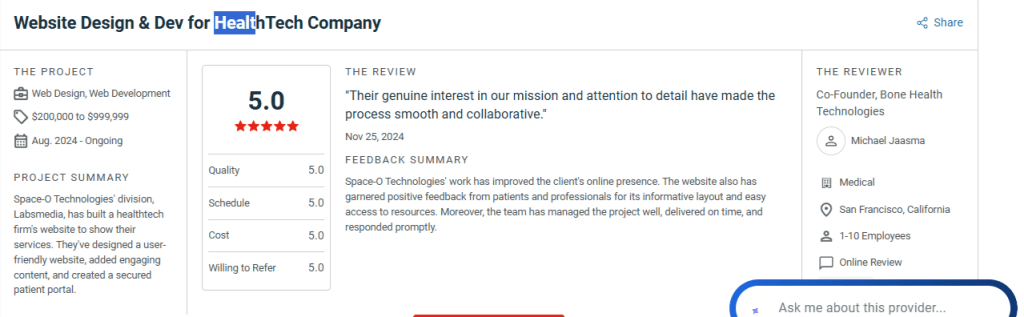
Space-O Technologies designed and developed a user-friendly healthcare website for Bone Health Technologies, including engaging content and a secured patient portal — delivering improved online presence and positive feedback from patients and professionals.
Our Toronto-based team understands the unique requirements of Canadian healthcare organizations and delivers solutions that meet the highest standards for security, compliance, and user experience.
Ready to start your healthcare platform project? with Space-O Technologies to discuss your requirements and receive a detailed proposal tailored to your specific needs.
Frequently Asked Questions About Healthcare Website Development
How long does it take to develop a healthcare website?
Development timelines depend on project scope and complexity. A basic healthcare website with essential features typically requires 10-14 weeks. Adding patient portal integration extends the timeline to 14-20 weeks. Comprehensive healthcare platforms with telemedicine, multiple integrations, and advanced features require 20-30 weeks. Space-O Technologies provides detailed timeline estimates during project discovery.
What is the minimum cost for a healthcare website in Canada?
Basic healthcare websites with compliance features start at approximately $25,000 CAD. This includes informational pages, provider directories, contact forms, mobile-responsive design, and foundational PIPEDA compliance. More advanced features like patient portals, EHR integration, and telemedicine significantly increase investment requirements.
Is HIPAA or PIPEDA compliance required for Canadian healthcare websites?
Canadian healthcare organizations must comply with PIPEDA (federally) and applicable provincial legislation like Ontario’s PHIPA. HIPAA is American legislation that applies only if you handle US patient data. Many organizations serving cross-border patients must address both regulatory frameworks. Space-O Technologies has expertise in Canadian healthcare compliance requirements.
Can you integrate my existing EHR system with a new healthcare website?
Yes. Space-O Technologies has experience integrating healthcare websites with major EHR systems, including Epic, Cerner, OSCAR, Accuro, Telus Health, and other platforms commonly used in Canadian healthcare. Integration complexity and cost vary based on your specific EHR and required data exchange.
What ongoing support is needed after launching a healthcare website?
Healthcare websites require continuous maintenance, including security patches and software updates, compliance monitoring and policy updates, content updates for provider and service information, performance monitoring and optimization, and technical support for issues. Space-O Technologies offers ongoing support packages that ensure your healthcare website remains secure, compliant, and effective.


Develop a Healthcare Website With Space-O’s Healthcare Experts
 All our projects are secured by NDA
100% Secure. Zero Spam
*All your data will remain strictly confidential.
Trusted by


Bashar Anabtawi 
Canada
“I was mostly happy with the high level of experience and professionalism of the various teams that worked on my project. Not only they clearly understood my exact technical requirements but even suggested better ways in doing them. The Communication tools that were used were excellent and easy. And finally and most importantly, the interaction, follow up and support from the top management was great. Space-O not delivered a high quality product but exceeded my expectations! I would definitely hire them again for future jobs!”

Canada Office
2 County Court Blvd., Suite 400,
Brampton, Ontario L6W 3W8
Phone: +1 (602) 737-0187
Email: sales@spaceo.ca