
- What Determines Small Business Website Development Cost?
- What is the Cost of a Small Business Website? [ Breakdown by Type]
- Small Business Website Development Costs: Upfront vs Ongoing Expenses
- How Much Does a Small Business Website Cost Based on Features?
- What are the Hidden Costs of Small Business Website Development?
- How to Reduce Website Development Costs Without Sacrificing Quality
- 1. Start with an MVP to reduce initial investment risk
- 2. Prepare content before development begins
- 3. Use proven templates strategically for cost savings
- 4. Phase your development into manageable stages
- 5. Choose the right platform for optimal cost-effectiveness
- 6. Bundle services with a single development partner
- 7. Invest in quality development from the start
- 8. Leverage free tools to maximize your budget
- What are the Factors That Increase Website Development Costs?
- How to Choose the Right Website Development Partner?
- 1. Evaluate relevant experience in small business website projects
- 2. Verify client satisfaction through references and online reviews
- 3. Understand their website development process and methodology
- 4. Clarify pricing, contracts, and ownership of deliverables
- 5. Assess communication quality during the sales process
- 6. Consider ongoing support and post-launch maintenance options
- Professional Website Development for Small Businesses by Space-O Technologies
- Frequently Asked Questions About Small Website Development Cost
Small Business Website Development Cost: Complete Guide to Budgeting Your Online Presence

 Last Updated: March, 27 2026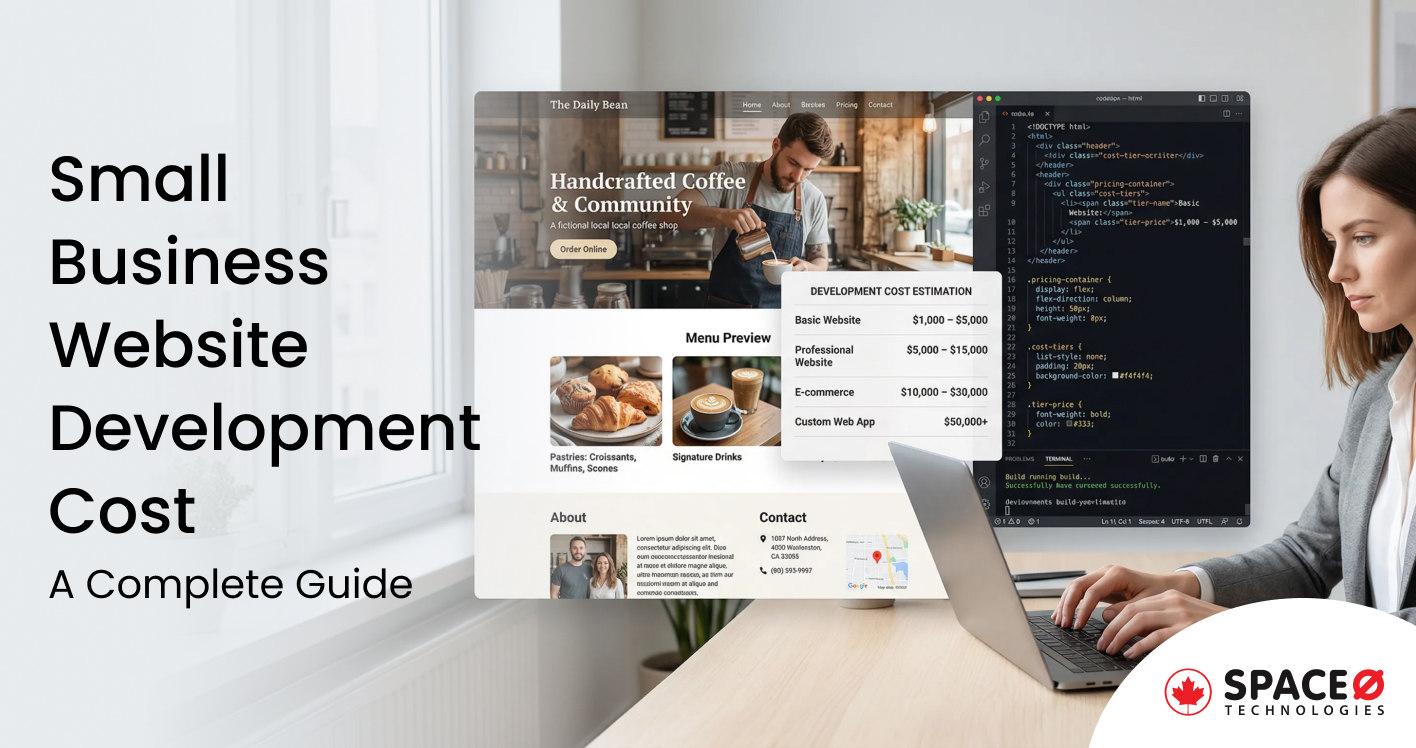
Are you a small business owner struggling to understand how much you should actually pay for a website? You’re not alone. The confusion around small business website development cost leaves many entrepreneurs either overpaying for basic features or settling for cheap solutions that hurt their business in the long run.
Small business website development typically costs between $1,000 and $50,000+, depending on the type of website you need. A basic brochure site starts around $1,000–$5,000, professional business websites range from $5,000–$15,000, e-commerce sites fall between $10,000–$30,000, and custom web applications can exceed $50,000
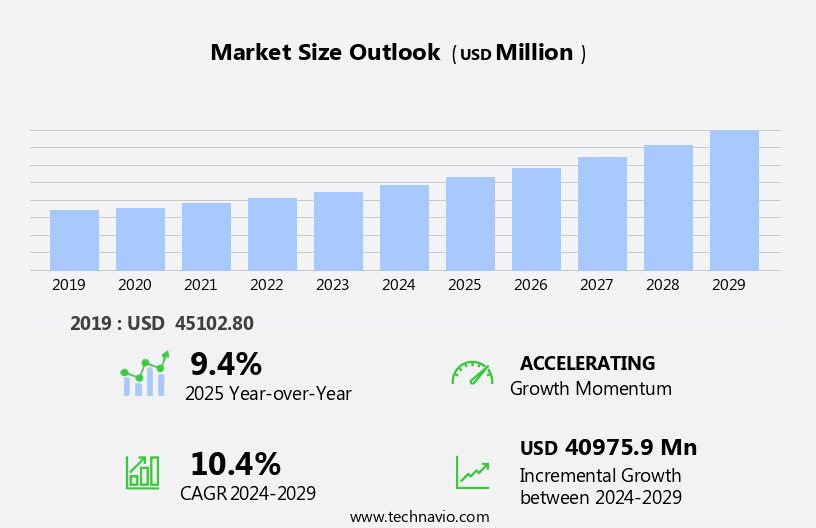
According to Technavio, the global web development market is projected to increase by USD 40.98 billion at a CAGR of 10.4% between 2024 and 2029, reflecting the increasing importance of professional online presence for businesses of all sizes. For small businesses specifically, having a well-designed website is no longer optional—it’s essential for competing in today’s digital marketplace.
This comprehensive guide breaks down everything you need to know about small business website development cost — from upfront investment and ongoing expenses to cost-saving strategies and partner selection. If you are evaluating professional website development services, understanding the cost structure will help you make smarter decisions and plan your budget strategically.
What Determines Small Business Website Development Cost?
Small business website development cost is influenced by multiple factors, including design complexity, functionality requirements, development approach, and the expertise of your development partner. Understanding these variables helps you budget accurately and avoid unexpected expenses that can derail your project.
1. Design complexity
Template-based sites offer faster development and lower costs, while custom designs provide unique branding that differentiates your business. Pre-built templates cost significantly less than fully custom designs created from scratch.
2. Number of pages and content depth
A simple 5-page brochure site requires less development than a 30-page site with multiple service categories and blog sections. Each additional page means more design work, content creation, and testing.
3. Feature requirements
Basic contact forms are standard inclusions, but advanced features like appointment booking, customer portals, or CRM integrations require specialized development. Organizations seeking these capabilities benefit from web application development approaches providing scalable platforms.
Before committing to complex features, understand the structured website development process to ensure your project scales efficiently.
4. Development approach
DIY platforms offer the lowest entry point but limit customization. Freelancers provide mid-range options with varying quality. Professional agencies deliver comprehensive solutions with accountability, ongoing support, and proven processes. Many business owners compare multiple website development companies before selecting the right partner.
5. Developer location
Toronto-based developers typically charge $80-$150 per hour, while offshore teams may charge $25-$60 hourly. However, lower rates often come with communication challenges and quality variations that offset initial savings.
6. Timeline pressure
Rush projects requiring accelerated delivery typically incur 25-50% premiums. Planning ahead and allowing adequate development time helps control costs while ensuring quality outcomes for your website project.
Pro Tip: Before requesting quotes, create a prioritized list of must-have features versus nice-to-have features. This clarity helps developers provide accurate estimates and prevents scope creep that inflates costs.
With these factors in mind, let’s examine specific cost ranges for different types of small business websites.
What is the Cost of a Small Business Website? [ Breakdown by Type]
Small business website development costs range from $1,000 for basic brochure sites to $50,000+ for custom web applications, depending on your specific needs and business objectives. Understanding these categories helps you identify the appropriate investment level for your situation.
1. Basic brochure websites
Basic brochure websites serve as digital business cards, providing essential information about your company, services, and contact details. These sites typically include 5-8 pages covering home, about, services, and contact sections.
Cost range: $1,000-$5,000
At this level, you receive a professional template-based design, mobile-responsive layout, basic SEO setup, contact form integration, and essential pages. These sites work well for service professionals, consultants, and local businesses establishing initial online presence.
Development typically requires 2-4 weeks, making this the fastest path to launching your business online.
To benchmark expectations, review the average website design cost for small business.
2. Professional small business websites
Professional small business websites expand beyond basic information to include lead generation tools, content marketing capabilities, and enhanced user engagement features. These sites typically range from 10-20 pages with blog integration, multiple service pages, and advanced contact forms.
Cost range: $5,000-$15,000
This investment includes custom design elements, professional copywriting, search engine optimization, analytics integration, and social media connectivity. Businesses at this level often integrate appointment scheduling systems and email marketing tools.
Companies investing in professional websites gain competitive advantages through better search visibility and improved lead conversion. Space-O Technologies specializes in creating professional small business websites that balance aesthetic appeal with functional effectiveness.
If your website requires future upgrades, consider reviewing website redesign cost to understand reinvestment scenarios.
3. E-commerce websites
E-commerce websites enable direct online sales, requiring product catalogs, shopping carts, payment processing, and inventory management. Complexity scales with product volume and required features.
Cost range: $10,000-$30,000
Basic e-commerce sites supporting 50-100 products fall at the lower end, while comprehensive platforms with hundreds of products, multiple payment gateways, and advanced features like subscription billing or marketplace functionality reach higher investment levels.
E-commerce development requires specialized expertise in security, payment processing, and user experience optimization. Before launching online selling, explore this detailed guide on ecommerce website development cost to calculate realistic investment.
4. Custom web applications
Custom web applications address unique business requirements that template solutions cannot satisfy. These platforms include customer portals, booking systems, membership sites,or industry-specific tools such as law firm website development platforms with client case management and secure document exchange.
Cost range: $15,000-$50,000+
Custom development provides unlimited flexibility but requires detailed planning and experienced developers. These projects benefit from a structured web development life cycle approaches that ensure successful outcomes.
Pro Tip: Consider starting with a professional business website and adding e-commerce functionality later as your business grows. This phased approach spreads investment while allowing you to validate demand before committing to full e-commerce development.
Know What You’re Paying For When Building a Small Website
Space-O helps you understand how design choices, features, and technology decisions directly affect small website development costs and long-term value.
Now let’s distinguish between one-time investments and recurring expenses that affect your total website budget.
Small Business Website Development Costs: Upfront vs Ongoing Expenses
Understanding the difference between upfront and ongoing costs helps you plan your total website investment accurately. Many small business owners focus solely on initial development costs without accounting for maintenance, hosting, and updates that continue indefinitely.
1. Upfront costs breakdown
Domain registration: $10-$50 per year
Your domain name (yourcompany.com) requires annual registration. Premium domains or industry-specific extensions (.tech, .store) may cost more. Choose a reputable registrar and enable auto-renewal to prevent accidental expiration.
Web hosting: $20-$300 per month
Hosting quality directly impacts website speed, security, and reliability. Shared hosting offers the lowest cost but limited resources. Managed hosting provides better performance with technical support. For business-critical websites, dedicated or cloud hosting ensures optimal uptime and scalability.
Canadian businesses often prefer Canadian-hosted solutions for faster local performance and data sovereignty compliance under PIPEDA regulations.
SSL certificate: $0-$200 per year
SSL certificates encrypt data transmission between your website and visitors. Many hosting providers include free SSL certificates (Let’s Encrypt), while premium certificates provide additional validation and warranty coverage. SSL is essential for any website collecting customer information.
Design and development: $1,000-$50,000+
This represents your primary upfront investment, varying based on complexity as outlined in the previous section. Quality development from experienced partners like Space-O Technologies ensures your investment delivers lasting value.
Content creation: $500-$5,000
Professional copywriting, photography, and video production enhance your website’s effectiveness. Budget $100-$300 per page for professional copywriting and $500-$2,500 for custom photography sessions.
Initial SEO setup: $500-$2,500
Search engine optimization establishes your website’s foundation for organic visibility. Initial setup includes keyword research, meta tag optimization, schema markup, and Google Analytics/Search Console configuration.
2. Ongoing costs breakdown
Hosting renewal: $240-$3,600 per year
Annual hosting costs continue throughout your website’s lifetime. Budget for potential upgrades as traffic grows.
Domain renewal: $10-$50 per year
Domain registration requires annual renewal. Consider multi-year registration for modest discounts and added security.
Maintenance and updates: $100-$500 per month
Regular maintenance includes security updates, plugin updates, content changes, and performance monitoring. Neglecting maintenance creates security vulnerabilities and degrades user experience over time.
Space-O Technologies provides 3 months of free maintenance following website launch, ensuring smooth operation during the critical post-launch period.
Security monitoring: $50-$200 per month
Professional security monitoring detects threats, manages backups, and provides rapid response to incidents. This investment protects your business reputation and customer data.
Content updates: $200-$1,000 per month (optional)
Fresh content improves search rankings and keeps visitors engaged. Budget for regular blog posts, seasonal updates, and promotional content.
SEO services: $500-$2,500 per month (optional)
Ongoing SEO services maintain and improve search visibility through content optimization, link building, and technical improvements.
Understanding feature pricing helps you prioritize investments based on business impact.
How Much Does a Small Business Website Cost Based on Features?
Individual feature costs help you build a realistic budget based on your specific requirements. Pricing varies based on complexity and integration requirements.
1. Standard features are typically included
Responsive design, ensuring proper display across all devices, is standard with professional development. Basic contact forms, social media integration ($100-$300), and analytics setup ($100-$300) are typically included. Basic SEO setup ($500-$1,500) covers page titles, meta descriptions, and XML sitemap creation.
2. E-commerce adds a high cost
Adding online selling capability ($2,000-$15,000) requires shopping cart development, payment gateway integration, product management, and order processing. Costs scale with catalog size and features. Canadian businesses need integration with local payment processors like Moneris and compliance with consumer protection regulations.
For Canadian businesses, integration with local payment processors like Moneris and compliance with Canadian consumer protection regulations add complexity. A professional web development company ensures proper implementation.
3. Booking systems streamline operations
Online scheduling integration ($500-$3,000) streamlines appointment-based businesses effectively. Basic implementations use third-party tools like Calendly, while custom systems integrate directly with your workflow and calendar systems. This automation reduces administrative overhead and enables convenient booking outside business hours.
4. Customer portals require backend investment
Secure login areas ($3,000-$15,000) enabling customers to access accounts, view history, and manage preferences require significant backend development and security implementation. These portals enhance customer experience and reduce support requests by providing self-service capabilities for common account management tasks.
5. CRM integration automates lead management
Connecting your website with CRM systems like Salesforce or HubSpot ($1,500-$5,000) automates lead capture and marketing automation. Payment gateway integration ($500-$2,000) enables secure online payments through Moneris, Stripe, or PayPal with specific implementation requirements.
6. Multi-language support expands market reach
Serving diverse markets ($2,000-$5,000 per language) requires translation management and language switching functionality. For Canadian businesses, English and French bilingual capabilities are often essential. Advanced search functionality ($1,000-$5,000) with filters improves user experience for content-rich websites.
Pro Tip: Request itemized quotes that clearly separate each feature’s cost. This transparency helps you make informed decisions about what to include now versus defer to future phases.
Beyond visible features, hidden costs can significantly impact your total investment.
What are the Hidden Costs of Small Business Website Development?
Many small business owners encounter unexpected expenses during or after website development. Awareness of these hidden costs helps you budget realistically and avoid unpleasant surprises.
1. Content-related hidden costs
Professional copywriting: $100-$500 per page
Many quotes assume you’ll provide ready-to-publish content. Professional copywriting that engages visitors and supports SEO goals requires specialized skills most business owners don’t possess.
Stock photography: $100-$500+
Quality images dramatically improve website effectiveness. While free stock sites exist, premium images that match your brand and avoid the “stock photo look” require investment.
Custom photography: $500-$3,000
Original photos of your team, facilities, or products create authentic connections with visitors. Professional photography sessions ensure quality results.
Video production: $1,000-$10,000
Video content increasingly drives engagement and conversions. Professional video production requires planning, filming, and editing expertise.
2. Technical hidden costs
Premium plugins and tools: $200-$2,000 per year
WordPress and other platforms rely on plugins for functionality. Many essential plugins require annual licenses that add to ongoing costs.
Email hosting: $50-$500 per year
A professional email (yourname@yourcompany.com) typically requires separate hosting from your website. Google Workspace or Microsoft 365 subscriptions provide reliable business email.
Website migration: $500-$3,000
Moving from an existing website or platform involves content migration, URL redirects, and SEO preservation that require careful execution.
Third-party service fees: Variable
Payment processors, email marketing platforms, CRM systems, and other integrated services incur their own monthly or transaction fees.
3. Development process hidden costs
Scope changes: 15-30% of original budget
Requesting changes or additions during development incurs additional charges. Clear specifications upfront minimize change orders.
Extended revisions: $500-$2,000+
Most contracts include limited revision rounds. Extensive feedback cycles beyond included revisions add costs.
Training: $200-$1,000
Learning to manage your website content requires training. Some developers include basic training; comprehensive sessions cost extra.
Post-launch fixes: Variable
Bugs discovered after launch should be covered under warranty, but issues arising from client-provided content or third-party services may not be included.
4. Ongoing hidden costs
Security breach recovery: $1,000-$10,000+
Website security incidents require professional remediation. Prevention through proper security measures costs far less than recovery.
Performance optimization: $500-$2,000
Websites slow down over time without optimization. Speed improvements require technical expertise and ongoing attention.
Compliance updates: $500-$2,000
Privacy regulations, accessibility requirements, and industry standards evolve. Maintaining compliance requires periodic updates.
Space-O Technologies provides transparent, comprehensive quotes that include all anticipated costs. Our team discusses potential additional expenses upfront so clients can budget appropriately without surprises.
Build a Small Website That Delivers ROI, Not Just Pages
Space-O designs cost-efficient websites that focus on performance, clarity, and long-term usability rather than inflated feature sets.
Now let’s explore strategies to minimize costs while maintaining quality.
How to Reduce Website Development Costs Without Sacrificing Quality
Strategic planning helps small businesses maximize website investment while controlling costs. These approaches deliver professional results without unnecessary expense.
1. Start with an MVP to reduce initial investment risk
Launch with essential features that serve your core business needs, then expand based on actual user feedback and business growth. This approach gets your business online faster, provides real data to guide future development, and spreads costs over time. Identify the 20% of features that deliver 80% of overall value.
2. Prepare content before development begins
Provide ready-to-use content before development starts to avoid unnecessary project delays and increased costs. Write page copy in advance, gather high-quality images, prepare your logo in various formats, and compile testimonials and detailed case studies. Well-prepared clients typically save 10-20% on overall development costs through significantly more efficient project execution.
3. Use proven templates strategically for cost savings
Custom design from scratch maximizes uniqueness but increases costs significantly. Starting with quality templates and customizing them strategically provides professional results at lower investment. Experienced developers like Space-O Technologies transform premium templates into unique-looking sites that don’t appear templated while effectively balancing visual distinctiveness with cost-effectiveness for successful business outcomes.
4. Phase your development into manageable stages
Rather than building everything at once, plan development in strategic phases. Phase one covers the core website with essential pages and functionality. Phase two adds enhanced features like blogs and integrations. Phase three includes advanced capabilities like e-commerce and portals. This approach makes large projects manageable while generating returns between phases.
5. Choose the right platform for optimal cost-effectiveness
Platform selection significantly impacts both initial and ongoing costs. WordPress powers 43% of all websites and offers free core software, an extensive plugin ecosystem, a large developer community, proven scalability, and easy content management. For most small businesses, WordPress provides the optimal balance of capability, flexibility, and overall cost-effectiveness for website needs.
For most small businesses, WordPress provides the optimal balance of capability, flexibility, and cost-effectiveness. Understanding WordPress development services helps you leverage this platform effectively.
6. Bundle services with a single development partner
Working with a single partner for design, development, hosting, and maintenance often costs less than piecing together multiple separate vendors. Bundled services also simplify communication and accountability throughout the entire project lifecycle. This consolidated approach reduces coordination overhead and ensures consistent quality across all aspects of your website development project.
7. Invest in quality development from the start
Counterintuitively, spending more initially often reduces total costs significantly over time. Cheap development frequently requires expensive fixes, migrations, or complete rebuilds within just one to two years. Quality development from experienced partners like Space-O Technologies creates solid foundations that serve businesses effectively for many years with minimal additional investment required.
8. Leverage free tools to maximize your budget
Many excellent free tools support website success without additional cost. Google Analytics provides visitor insights, Google Search Console enables SEO monitoring, Canva offers basic graphics creation, Unsplash supplies free stock photos, and Mailchimp handles email marketing with its free tier. Combining these free tools with professional development maximizes overall value.
Understanding what increases costs helps you make informed decisions about necessary investments.
What are the Factors That Increase Website Development Costs?
Certain requirements legitimately increase small business website development cost. Understanding these factors helps you distinguish necessary investments from avoidable expenses.
1. Custom design requirements
Fully custom design costs $5,000-$15,000 more than basic template customization, but makes sense when your industry demands a unique visual presence, competitors use similar templates, or brand guidelines require specific aesthetic execution. This strategic investment creates a memorable visual identity that clearly distinguishes your business from competitors relying on generic template designs.
2. Complex integrations
Connecting your website with essential business systems like ERP ($5,000-$20,000), custom CRM ($3,000-$10,000), or payment systems ($1,000-$5,000) adds development complexity but automates critical business workflows and delivers a strong ROI that fully justifies the costs. Third-party API connections typically cost $1,000-$5,000 each, with professional software developers ensuring reliable and secure implementation.
3. E-commerce complexity
Online selling capability costs vary significantly based on product catalog size, variant management, inventory synchronization, multiple payment options, and shipping complexity calculations. Simple online stores with 20-50 products cost far less than comprehensive e-commerce platforms managing thousands of SKUs with complex fulfillment logistics, tax handling, and recurring subscription billing requirements.
4. Rush timelines
Accelerated timelines require developers to prioritize your project, potentially involving overtime or additional team members. Rush premiums typically range from 25-50% above standard pricing. Planning an adequate timeline (typically 8-12 weeks for professional small business sites) avoids rush charges while ensuring quality outcomes.
5. Canadian compliance requirements
Canadian businesses face specific regulatory requirements affecting website development:
PIPEDA compliance: Privacy legislation governing personal information collection requires proper consent management, privacy policies, and data handling procedures.
AODA/WCAG accessibility: Ontario businesses must meet accessibility standards, requiring specific design and development approaches.
Bilingual requirements: Serving Quebec markets or federal contracts may require French language versions.
Industry regulations: Healthcare, financial services, and other regulated industries face additional compliance requirements.
Space-O Technologies understands Canadian regulatory requirements and builds compliance into projects from inception, avoiding costly retrofitting.
6. Revision cycles
Extensive feedback requiring multiple design iterations increases costs. Projects with clear specifications and decisive feedback typically cost less than those with prolonged revision cycles. Defining requirements clearly upfront and providing consolidated, timely feedback helps control costs while ensuring satisfaction with outcomes.
Now, let’s see how finding the right development partner ensures your investment delivers expected results.
How to Choose the Right Website Development Partner?
Selecting the right development partner matters more than finding the lowest price. The wrong choice leads to project failures, wasted investment, and frustrating experiences that harm your business.
1. Evaluate relevant experience in small business website projects
Review portfolios for projects similar to yours in scope, industry, and functionality. Partners with small business website experience understand budget constraints and can prioritize features that drive results without unnecessary spending.
Ask about projects at similar budget levels and industry knowledge. This helps you identify partners who can deliver a functional, conversion-focused website within your specific requirements.
2. Verify client satisfaction through references and online reviews
Request references from businesses similar to yours to gauge how the partner performs on real projects. Ask about communication quality, adherence to timelines, budget accuracy, and post-launch support responsiveness.
This helps you predict your own experience and avoid partners who overpromise during sales but underdeliver during execution. Reviews on Google or Clutch add a useful third-party perspective.
3. Understand their website development process and methodology
A structured development process protects your investment by reducing miscommunication, missed deadlines, and scope creep. Ask about requirements gathering, design approvals, development methodology, and testing procedures.
Partners with clearly defined workflows deliver more predictable timelines and fewer surprises, keeping your website development project on budget and on schedule.
4. Clarify pricing, contracts, and ownership of deliverables
Unclear pricing leads to unexpected costs that can derail your project mid-development. Confirm whether billing is fixed or hourly, what’s included in the quoted price, how change requests are handled, and who owns the final deliverables.
Space-O Technologies provides transparent, detailed quotes with clear scope definitions, no hidden costs, and straightforward contract terms.
5. Assess communication quality during the sales process
How a partner communicates before signing the contract reflects how they’ll communicate during your project. Slow responses, vague answers, or missed follow-ups during the sales process signal bigger problems during development.
Strong communication ensures you receive timely progress updates, quick issue resolution, and a collaborative experience from kickoff to launch.
6. Consider ongoing support and post-launch maintenance options
Your website will need security updates, performance optimization, and content changes long after launch. Without a reliable support partner, even minor issues can cause extended downtime and lost revenue.
Evaluate post-launch support options, response time commitments, and maintenance pricing before signing. Partners who offer long-term support protect your website investment well beyond the initial launch.
Working with experienced web developers who answer these questions confidently indicates partnership potential.
Make Cost-Effective Decisions Before You Start Website Development
Space-O guides businesses in choosing the right features and platforms to control costs while still meeting performance and usability goals.
Now, let’s discuss how Space-O Technologies specifically addresses small business website needs.
Professional Website Development for Small Businesses by Space-O Technologies
Small Website development cost depends on scope clarity, technical architecture, scalability planning, and long-term maintenance strategy.
Since 2018, Space-O Technologies has helped small businesses across North America control development expenses while maximizing return on investment. With 300+ successful projects delivered for 100+ clients, we focus on financial predictability, structured scope definition, and scalable architecture to reduce total ownership cost.
Our Toronto-based team evaluates your business model, required integrations, regulatory needs, and future growth plans before finalizing cost estimates. This ensures realistic budgeting and prevents mid-project overruns.
We offer fixed-cost builds, phased development, and dedicated team models to align website investment with your cash flow and growth strategy.
At Space-O, website development cost is not just a quote, it is a strategically managed investment designed to scale with your business.
Ready to discuss your small business website project? Schedule a free consultation to explore how Space-O Technologies can create the website your business deserves—professionally designed, cost-effectively developed, and built to grow with your success.
Frequently Asked Questions About Small Website Development Cost
How much does a basic small business website cost?
A basic small business website typically costs between $1,000 and $5,000 for a simple 5-8 page site with standard features like contact forms, mobile responsiveness, and basic SEO. This investment provides a professional online presence suitable for service businesses, consultants, and local companies establishing a digital presence. Costs increase with custom design requirements, additional pages, and advanced functionality.
Should I hire a freelancer or an agency for my website?
The choice depends on your project complexity, budget, and risk tolerance. Freelancers offer lower rates ($30-$80/hour typically) but may lack backup resources, have limited availability, or disappear mid-project. Agencies like Space-O Technologies charge higher rates but provide team resources, established processes, accountability, and ongoing support. For business-critical websites, agency partnerships typically deliver better outcomes despite higher investment.
How long does it take to build a small business website?
Timeline varies based on complexity. Basic brochure sites require 2-4 weeks. Professional business websites with custom design and moderate functionality need 4-8 weeks. E-commerce sites typically require 6-12 weeks. Custom web applications may take 8-16 weeks or longer. These timelines assume responsive client feedback—delays in providing content, approvals, or decisions extend schedules.
What is the average monthly cost to maintain a website?
Monthly maintenance costs range from $100 to $500, depending on complexity and service level. Basic maintenance covering security updates, backups, and minor fixes costs $100-$200 monthly. Comprehensive maintenance, including content updates, performance optimization, and proactive monitoring, costs $300-$500 monthly. DIY maintenance is possible but requires technical knowledge and consistent attention.
Is WordPress good for small business websites?
WordPress powers 43% of all websites worldwide and excels for small business applications. Benefits include cost-effective development, easy content management,an extensive plugin ecosystem, strong SEO capabilities, and a large support community. WordPress suits most small business needs unless specific requirements demand custom platforms. Space-O Technologies frequently recommends WordPress for small business clients seeking optimal value.
What’s the difference between website design and development?
Website design focuses on visual appearance, user experience, and interface elements—colors, typography, layouts, and how users interact with pages. Website development implements designs technically through coding, database setup, functionality programming, and system integration. Most projects require both disciplines working together. Full-service partners like Space-O Technologies provide integrated design and development for cohesive results.
How do I measure whether my website investment is paying off?
Track key metrics including website traffic, lead generation (form submissions, phone calls), conversion rates, search engine rankings for target keywords, and revenue attributed to website visitors. Google Analytics provides the most necessary data. Calculate ROI by comparing website-generated revenue or lead value against total website costs. Most professionally developed small business websites generate positive returns within 6-12 months.


Want to get the quote for your small business website development?
What to read next

 All our projects are secured by NDA
100% Secure. Zero Spam
*All your data will remain strictly confidential.
Trusted by


Bashar Anabtawi 
Canada
“I was mostly happy with the high level of experience and professionalism of the various teams that worked on my project. Not only they clearly understood my exact technical requirements but even suggested better ways in doing them. The Communication tools that were used were excellent and easy. And finally and most importantly, the interaction, follow up and support from the top management was great. Space-O not delivered a high quality product but exceeded my expectations! I would definitely hire them again for future jobs!”

Canada Office
2 County Court Blvd., Suite 400,
Brampton, Ontario L6W 3W8
Phone: +1 (602) 737-0187
Email: sales@spaceo.ca