

SOAP Notes Software Development: Features, Benefits, and Implementation Guide
Are your clinicians spending more time documenting patient encounters than actually treating patients? You’re not alone. Healthcare providers across North America lose several hours daily to clinical documentation, leading to burnout, reduced patient face time, and increased errors in medical records.
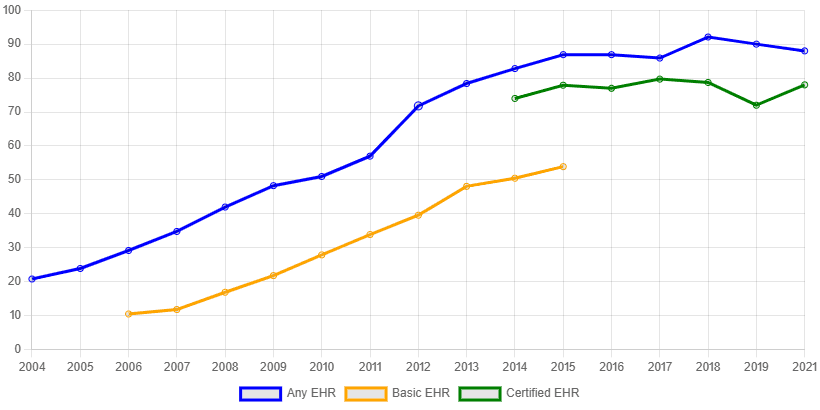
According to HealthIT.gov, over 88% of office-based physicians now use electronic health record systems, yet many still struggle with inefficient documentation workflows. SOAP notes software addresses this challenge by providing structured, intuitive tools that streamline how healthcare professionals record patient information.
SOAP notes—standing for Subjective, Objective, Assessment, and Plan—have been the gold standard for clinical documentation for decades. Modern SOAP notes software digitizes this proven framework, enabling faster charting, improved accuracy, and seamless integration with existing healthcare systems. For Canadian healthcare providers, these solutions must also meet strict PIPEDA and provincial health information requirements.
This guide covers everything you need to know about SOAP notes software development. You’ll learn how it works, essential features to include, the development process, costs involved, and how to overcome common challenges.
Whether you’re a clinic manager in Toronto evaluating documentation solutions, a healthcare CTO in Vancouver planning digital transformation, or a practice owner in Montreal seeking to reduce administrative overhead, this guide provides actionable insights for your specific needs.
Organizations investing in a healthcare software development company recognize that efficient documentation directly impacts patient outcomes, staff satisfaction, and operational costs.
What is SOAP Notes Software?
SOAP notes software is a digital solution that enables healthcare professionals to document patient encounters using the standardized SOAP format—Subjective, Objective, Assessment, and Plan. This software replaces paper-based charting and manual documentation with structured electronic templates that guide clinicians through each component of the patient visit.
The SOAP format breaks down clinical documentation into four distinct sections:
- Subjective (S): Patient-reported symptoms, complaints, medical history, and concerns expressed during the visit
- Objective (O): Measurable clinical findings including vital signs, physical examination results, lab values, and diagnostic imaging
- Assessment (A): The clinician’s diagnosis or clinical impression based on subjective and objective data
- Plan (P): Treatment recommendations, prescriptions, referrals, follow-up appointments, and patient education
Today’s SOAP notes software goes beyond simple digital forms. Modern solutions include intelligent templates, voice recognition, auto-population of patient data, and direct integration with EHR software development platforms. These capabilities transform documentation from a tedious administrative task into a streamlined clinical workflow.
Healthcare professionals across specialties rely on SOAP notes software—from primary care physicians and specialists to mental health therapists, physical therapists, chiropractors, and nursing staff. Each specialty requires customized templates that capture relevant clinical data while maintaining the universal SOAP structure. Space-O Technologies has developed SOAP notes software for healthcare providers across Canada, incorporating specialty-specific templates, voice recognition, and seamless EHR integration that reduces documentation time..
With the foundation established, let’s explore why healthcare providers are increasingly turning to digital SOAP notes solutions.
Why Do Healthcare Providers Need SOAP Notes Software?
Manual clinical documentation creates significant challenges that impact patient care, provider wellbeing, and organizational efficiency. Understanding these pain points reveals why SOAP notes software has become essential for modern healthcare delivery.
1. Documentation burden and clinician burnout
Healthcare providers spend nearly half their workday on documentation and administrative tasks. Primary care physicians report spending two hours on EHR documentation for every hour of direct patient care. This administrative burden contributes directly to clinician burnout—a crisis affecting over 50% of physicians according to recent surveys.
2. Time constraints during patient visits
Average patient appointments last 15-20 minutes, leaving limited time for thorough documentation. Clinicians often complete charting after hours, extending workdays and reducing work-life balance. SOAP notes software with templates and shortcuts can reduce documentation time by 30-50%.
3. Compliance and legal requirements
Healthcare documentation serves as legal evidence of care provided. Incomplete or inaccurate notes expose organizations to malpractice claims, audit failures, and regulatory penalties. SOAP notes software ensures structured, complete documentation that meets compliance standards.
4. Accuracy and consistency challenges
Handwritten notes and free-text documentation lead to inconsistencies, illegibility, and missing information. Standardized SOAP templates ensure clinicians capture all required data elements consistently across every patient encounter.
5. Care coordination difficulties
When multiple providers treat the same patient, clear documentation becomes critical for care coordination. Structured SOAP notes enable seamless information sharing between primary care physicians, specialists, therapists, and other team members.
6. Revenue cycle impact
Incomplete documentation directly affects reimbursement. Proper coding and billing depend on thorough clinical notes that justify services rendered. SOAP notes software helps capture the details needed for accurate claims submission.
At Space-O Technologies, we’ve helped healthcare organizations overcome these documentation challenges through custom SOAP notes solutions designed specifically for Canadian clinical workflows, ensuring PIPEDA compliance while dramatically improving documentation efficiency.
Build SOAP Notes Software That Improves Clinical Documentation Quality
Design SOAP notes software that standardizes subjective, objective, assessment, and plan entries while reducing documentation gaps and inconsistencies.
Understanding the need leads to the next question—what features should effective SOAP notes software include?
What are the Key Features of SOAP Notes Software?
Building effective SOAP notes software requires incorporating features that address clinical workflow needs while ensuring compliance and usability. Here are the essential features every SOAP notes solution should include.
1. Pre-built SOAP templates
Specialty-specific templates provide structured frameworks for different encounter types. Templates for primary care visits differ from mental health assessments or physical therapy evaluations. Customizable templates allow organizations to standardize documentation while accommodating unique clinical requirements.
2. Voice-to-text dictation
Speech recognition technology enables hands-free documentation during patient encounters. Clinicians can dictate notes naturally while maintaining eye contact with patients. Advanced solutions use medical speech recognition trained on clinical terminology for higher accuracy.
3. EHR/EMR integration
Seamless integration with existing electronic health record systems eliminates duplicate data entry. SOAP notes should pull patient demographics, medication lists, allergies, and problem lists automatically. Bidirectional integration ensures notes flow back into the central patient record.
4. PIPEDA-compliant data storage
Healthcare data requires enterprise-grade security including encryption at rest and in transit, access controls, audit logging, and secure backup systems. For Canadian providers, solutions must also meet PIPEDA and provincial requirements like Ontario’s PHIPA.
5. AI-assisted documentation
Artificial intelligence enhances SOAP notes software through smart suggestions, auto-completion, and natural language processing. AI can extract relevant information from dictated notes and organize it into appropriate SOAP sections. Organizations implementing predictive analytics in healthcare can leverage similar AI capabilities for documentation.
6. Reporting and analytics dashboard
Administrative dashboards provide visibility into documentation metrics—completion rates, average documentation time, and compliance scores. Analytics help identify bottlenecks and opportunities for workflow improvement. Healthcare organizations building telemedicine app development solutions often integrate SOAP notes functionality for virtual visit documentation.
Pro Tip: When building SOAP notes software, prioritize features that reduce clinician documentation time. Space-O Technologies develops custom healthcare solutions with intelligent templates and AI-assisted documentation that can cut charting time by up to 50%.
These features translate into measurable advantages—here are the major benefits driving healthcare organizations to adopt SOAP notes software.
What are the Benefits of SOAP Notes Software for Healthcare Organizations?
Implementing SOAP notes software delivers tangible benefits across clinical, operational, and financial dimensions. Healthcare organizations consistently report significant improvements after transitioning from manual or inefficient documentation systems.
1. Improved documentation efficiency
Structured templates, auto-population, and smart shortcuts dramatically reduce time spent on charting. Clinicians complete notes faster while capturing more comprehensive information. Studies show electronic SOAP notes reduce documentation time by 25-40% compared to free-text alternatives.
2. Enhanced patient care quality
When clinicians spend less time documenting, they have more time for direct patient interaction. Better documentation also improves clinical decision-making by presenting patient information in organized, accessible formats. Subsequent providers can quickly understand patient history and treatment plans.
3. Reduced documentation errors
Standardized templates minimize omissions and inconsistencies. Required fields ensure critical information is captured every time. Spell-check, medical terminology validation, and structured data entry reduce errors that could impact patient safety.
4. Better regulatory compliance
SOAP notes software enforces documentation standards required by HIPAA, PIPEDA, provincial health regulations, and accreditation bodies. Audit trails, access controls, and retention policies help organizations demonstrate compliance during inspections and audits.
5. Streamlined clinical workflows
Integration with scheduling, billing, and EHR systems creates seamless workflows. Notes can trigger follow-up tasks, generate referrals, and populate billing codes automatically. This integration eliminates manual handoffs and reduces administrative overhead.
6. Cost savings on administrative tasks
Reduced documentation time translates directly to cost savings. Providers can see more patients or reduce overtime hours. Decreased transcription costs and fewer billing rejections due to documentation issues further improve the financial picture.
7. Easy retrieval and sharing of patient records
Digital SOAP notes are instantly searchable and accessible. Authorized users can retrieve specific encounters, track patient progress over time, and share records securely with other providers. This accessibility supports care coordination and continuity.
Organizations implementing healthcare CRM development solutions often integrate SOAP notes for comprehensive patient relationship management. Space-O Technologies has built PIPEDA and HIPAA-compliant documentation solutions for 50+ healthcare providers across Toronto, Vancouver, and Montreal, helping them reduce documentation time by 25-40% while improving clinical accuracy and regulatory compliance.
With benefits clear, let’s examine which healthcare providers benefit most from SOAP notes software.
What are the Different Types of Healthcare Providers Who Use SOAP Notes Software?
SOAP notes software serves healthcare professionals across virtually every clinical specialty. While the core SOAP structure remains consistent, each provider type requires specialized templates and features tailored to their documentation needs.
1. Primary care physicians
Family medicine and internal medicine providers use SOAP notes for routine visits, chronic disease management, preventive care, and acute illness encounters. Templates capture chief complaints, review of systems, physical examinations, diagnoses, and treatment plans.
2. Mental health professionals and therapists
Psychiatrists, psychologists, counselors, and social workers document therapy sessions, psychiatric evaluations, and treatment progress using SOAP format. Mental health templates emphasize subjective patient statements, behavioral observations, diagnostic impressions, and therapeutic interventions. Organizations developing mental health app development solutions typically include SOAP documentation capabilities.
3. Physical therapists and chiropractors
Rehabilitation professionals document functional assessments, treatment interventions, and patient progress through SOAP notes. Templates include specific fields for range of motion measurements, strength assessments, treatment modalities applied, and home exercise prescriptions.
4. Nurses and nurse practitioners
Nursing staff use SOAP notes for patient assessments, care documentation, and clinical decision-making. Nurse practitioners in independent practice require comprehensive documentation supporting diagnosis and treatment decisions.
5. Speech-language pathologists
SLPs document communication assessments, swallowing evaluations, and therapy sessions. SOAP templates capture speech and language observations, standardized test results, clinical impressions, and treatment goals.
6. Hospitals and clinics
Large healthcare organizations implement enterprise SOAP notes systems serving multiple departments and specialties. These solutions require role-based access, department-specific templates, and integration with hospital information systems.
Healthcare facilities implementing patient portal development often provide patients with access to their SOAP notes, promoting transparency and engagement in their care.
Space-O Technologies develops specialty-specific SOAP notes templates for primary care, mental health, physical therapy, and multi-specialty practices across Canada, ensuring each provider type captures the clinical data most relevant to their discipline.
Replace Manual SOAP Notes With Structured Digital Documentation
Create SOAP notes software that ensures consistent formatting, improves data accuracy, and supports better clinical decision-making.
Now that you know who uses SOAP notes software, let’s walk through the step-by-step development process.
How to Develop SOAP Notes Software: Step-by-Step Process
Building SOAP notes software requires careful planning, healthcare domain expertise, and strict attention to compliance requirements. Following a structured development process ensures successful implementation that meets clinical and regulatory needs.
Step 1: Define requirements and scope
Begin by identifying specific documentation challenges your solution will address. Conduct stakeholder interviews with clinicians, administrators, IT staff, and compliance officers. Document functional requirements, user stories, integration needs, and success metrics. Clearly define which specialties and encounter types the software will support.
Step 2: Research compliance requirements
Healthcare software must comply with multiple regulatory frameworks. In the United States, HIPAA establishes privacy and security requirements. Canadian providers must meet PIPEDA requirements federally and provincial regulations like Ontario’s PHIPA. Research specific requirements for your target market and document compliance specifications.
Step 3: Design UI/UX for clinical workflows
Clinical software requires intuitive interfaces that minimize clicks and cognitive load.
Work with clinicians to understand documentation workflows and design interfaces that match how providers actually work.
Prioritize efficiency—every unnecessary step adds to documentation burden. Consider mobile and tablet interfaces for bedside and exam room use.
Step 4: Choose the right technology stack
Select technologies that support healthcare requirements including security, scalability, and integration capabilities. Consider cloud platforms with healthcare compliance certifications (AWS HIPAA, Azure HIPAA).
Choose frameworks that enable responsive design across devices. Plan for HL7 FHIR and other healthcare interoperability standards.
Step 5: Develop core SOAP documentation features
Build the fundamental SOAP note creation and editing capabilities. Implement specialty-specific templates with the four SOAP sections. Add features like auto-save, version history, and draft management. Develop the template builder for administrative customization.
Step 6: Integrate with EHR/EMR systems
Healthcare software rarely operates in isolation. Plan integrations with existing EHR platforms, practice management systems, and billing software. Use standard healthcare APIs and interoperability frameworks. Organizations pursuing healthcare software modernization often prioritize integration capabilities.
Step 7: Implement security and encryption
Apply security controls throughout the application. Implement encryption for data at rest and in transit. Build role-based access controls, session management, and audit logging. Conduct security assessments and penetration testing before deployment.
Step 8: Conduct QA testing and compliance validation
Thorough testing ensures software reliability and compliance. Perform functional testing, usability testing with actual clinicians, security testing, and compliance validation. Document testing results for regulatory purposes. Address all critical issues before production deployment.
Step 9: Deploy and train healthcare staff
Plan deployment carefully to minimize disruption to clinical operations. Consider phased rollouts starting with pilot departments. Develop comprehensive training materials and conduct hands-on training sessions. Provide go-live support to address issues quickly.
Step 10: Ongoing maintenance and updates
Healthcare software requires continuous maintenance including security patches, bug fixes, and feature enhancements. Plan for regular compliance reviews as regulations evolve. Gather user feedback and prioritize improvements that reduce documentation burden.
Organizations following agile software development methodologies can iterate quickly based on clinician feedback. Space-O Technologies uses proven custom software development processes refined through 300+ healthcare projects.
Build HIPAA & PIPEDA-Compliant SOAP Notes Software
Partner with Space-O Technologies to develop secure clinical documentation solutions that meet healthcare compliance standards while reducing clinician documentation burden.
Development requires investment—here’s what you need to know about SOAP notes software costs.
What is the Cost of Developing SOAP Notes Software?
SOAP notes software development costs typically range from $50,000 to $300,000+, depending on feature complexity, number of specialties supported, integration requirements, and compliance scope.
Understanding SOAP notes software development costs helps healthcare organizations plan budgets and evaluate build vs. buy decisions. Costs vary significantly based on feature complexity, compliance requirements, and integration needs.
1. Factors affecting development cost
Several variables influence total development investment:
- Feature complexity: Basic templates cost less than AI-powered documentation with voice recognition
- Number of specialties: Each specialty requires custom templates and workflows
- Integration requirements: EHR integrations add complexity and cost
- Compliance scope: Multi-jurisdiction compliance (HIPAA + PIPEDA) increases requirements
- Platform requirements: Web-only vs. web plus native mobile applications
- User scale: Enterprise solutions serving thousands of users require more robust architecture
2. Cost breakdown by development phase
| Development Phase | Percentage of Total Cost | Activities |
|---|---|---|
| Discovery & Planning | 10-15% | Requirements gathering, compliance research (HIPAA/PIPEDA), technical architecture |
| UI/UX Design | 15-20% | User research, wireframes, prototypes, usability testing |
| Development | 40-50% | Frontend, backend, database, integrations, security implementation |
| QA & Testing | 15-20% | Functional testing, security testing, compliance validation |
| Deployment & Training | 5-10% | Production deployment, documentation, staff training |
3. Cost comparison by solution type
| Solution Type | Features | Timeline | Cost Range (USD) |
|---|---|---|---|
| Basic SOAP Notes | Standard templates, basic reporting, single specialty | 3-4 months | $50,000 – $80,000 |
| Advanced Solution | Multiple specialties, EHR integration, voice dictation | 5-8 months | $80,000 – $150,000 |
| Enterprise Platform | AI documentation, multi-facility, advanced analytics, mobile apps | 9-14 months | $150,000 – $300,000+ |
4. Ongoing costs to consider
Beyond initial development, budget for:
- Hosting and infrastructure: $500 – $5,000+ monthly depending on scale
- Maintenance and support: 15-20% of development cost annually
- Compliance updates: Regulatory changes require ongoing development
- Feature enhancements: User feedback drives continuous improvement
For detailed healthcare project budgeting, review our guide on software development cost.
Organizations considering external development partners should explore options to outsource healthcare software development for cost-effective solutions.
Quick Tip: Working with an experienced healthcare software development company like Space-O Technologies helps optimize costs while ensuring compliance. Our transparent pricing model provides detailed cost breakdowns before development begins, with no hidden fees or surprises.
Budget planning requires awareness of potential obstacles—learn the key challenges and how to overcome them.
What are the Challenges in SOAP Notes Software Development and How to Overcome Them
Healthcare software development presents unique challenges that require specialized expertise to navigate successfully. Understanding these obstacles upfront enables better planning and risk mitigation.
1. PIPEDA and regulatory compliance
Challenge: Healthcare regulations impose strict requirements for data privacy, security, and handling. Non-compliance can result in significant fines and reputational damage. Requirements differ across jurisdictions—US HIPAA, Canadian PIPEDA, and provincial regulations like PHIPA each have specific mandates.
Solution: Engage compliance experts early in the development process. Implement privacy-by-design principles from project inception. Conduct formal compliance assessments and document all controls. Partner with development teams experienced in healthcare compliance like Space-O Technologies.
2. EHR/EMR integration complexity
Challenge: Healthcare systems use diverse EHR platforms with different data formats, APIs, and integration capabilities. Legacy systems may lack modern integration options. Achieving seamless bidirectional data flow requires significant technical effort.
Solution: Prioritize interoperability standards like HL7 FHIR from the start. Conduct thorough technical assessments of target EHR systems. Build flexible integration architecture that accommodates multiple platforms. Plan adequate time and budget for integration development and testing.
3. User adoption and training
Challenge: Clinicians resist new documentation systems that disrupt established workflows. Poor user adoption undermines ROI and can lead to workarounds that compromise data quality.
Solution: Involve end users throughout design and development. Conduct usability testing with actual clinicians before launch. Design intuitive interfaces that minimize learning curves. Provide comprehensive training and ongoing support. Gather feedback and iterate based on user experience.
4. Data migration from legacy systems
Challenge: Transitioning from paper records or legacy systems requires careful data migration. Historical patient documentation must be preserved and accessible. Data quality issues in source systems complicate migration.
Solution: Conduct thorough data assessment before migration planning. Develop data cleaning and transformation procedures. Plan phased migration with validation checkpoints. Maintain access to legacy systems during transition periods. Document all migration procedures for compliance purposes.
5. Ensuring system security
Challenge: Healthcare data is a prime target for cyberattacks. SOAP notes contain sensitive patient information requiring robust protection. Security must be maintained across web and mobile access points.
Solution: Implement a defense-in-depth security architecture. Use encryption for all data at rest and in transit. Deploy multi-factor authentication and role-based access controls. Conduct regular security assessments and penetration testing. Maintain security monitoring and incident response capabilities.
Selecting the right development partner is critical for overcoming these challenges. Review our guide on healthcare software development companies to evaluate potential partners. Understanding the complete software development life cycle helps organizations manage complex healthcare projects effectively.
Pro Tip: Partner with a development team experienced in healthcare compliance and EHR integration. Space-O Technologies has successfully navigated these challenges across 300+ healthcare projects, ensuring smooth deployments and regulatory adherence for organizations across Canada and North America.
Turn Clinical Encounters Into Clear, Actionable SOAP Notes
Space-O helps healthcare organizations develop SOAP notes software that improves documentation clarity, continuity of care, and audit readiness
Understanding challenges prepares you for success—here’s how to turn your SOAP notes software vision into reality.
Build Secure, Compliant SOAP Notes Software With Space-O Technologies
SOAP notes software helps healthcare providers digitize clinical documentation, improve accuracy, and maintain regulatory compliance without increasing clinician workload. A well-designed solution accelerates charting, reduces burnout, and strengthens care delivery outcomes.
Space-O Technologies builds custom SOAP notes software tailored to real clinical workflows. Our healthcare software specialists design scalable, regulation-ready solutions that meet Canadian and international compliance requirements.
Since 2018, with 300+ successfully delivered software solutions and a strong delivery presence across Canada and North America, we have developed SOAP notes platforms with intelligent templates, voice-to-text capabilities, and reliable system integrations. Our teams prioritize usability to ensure clinicians adopt the software quickly and document patient encounters accurately.
We manage the complete development lifecycle—from requirements analysis and solution design to deployment and ongoing maintenance—while maintaining full transparency and consistent communication.
Ready to build secure, compliant SOAP notes software for your healthcare organization?
Schedule a free consultation with Space-O’s healthcare software experts today.
Frequently Asked Questions About SOAP Notes Software Development
How much does it cost to develop SOAP notes software?
SOAP notes software development costs typically range from $50,000 to $300,000+ depending on feature complexity, number of specialties supported, integration requirements, and compliance scope. Basic solutions with standard templates cost $50,000-$80,000, while enterprise platforms with AI capabilities, mobile apps, and advanced analytics can exceed $300,000.
How long does it take to build SOAP notes software?
Development timelines vary based on scope and complexity. Basic SOAP notes solutions typically require 3-4 months. Advanced solutions with EHR integration and multiple specialties take 5-8 months. Enterprise platforms with comprehensive features may require 9-14 months from planning through deployment.
Can SOAP notes software integrate with existing EHR systems?
Yes, modern SOAP notes software is designed to integrate with existing EHR/EMR platforms. Integration enables automatic population of patient data, seamless documentation workflows, and bidirectional data exchange. Integration complexity varies by EHR platform—systems supporting HL7 FHIR standards offer easier integration paths.
Who should use SOAP notes software?
SOAP notes software benefits virtually all healthcare providers who document patient encounters, including primary care physicians, specialists, mental health professionals, physical therapists, chiropractors, nurses, speech-language pathologists, and occupational therapists. Both individual practices and large healthcare organizations can benefit from improved documentation efficiency.


Build HIPAA & PIPEDA-Compliant SOAP Notes Software
 All our projects are secured by NDA
100% Secure. Zero Spam
*All your data will remain strictly confidential.
Trusted by


Bashar Anabtawi 
Canada
“I was mostly happy with the high level of experience and professionalism of the various teams that worked on my project. Not only they clearly understood my exact technical requirements but even suggested better ways in doing them. The Communication tools that were used were excellent and easy. And finally and most importantly, the interaction, follow up and support from the top management was great. Space-O not delivered a high quality product but exceeded my expectations! I would definitely hire them again for future jobs!”

Canada Office
2 County Court Blvd., Suite 400,
Brampton, Ontario L6W 3W8
Phone: +1 (602) 737-0187
Email: sales@spaceo.ca